The History of Saw Palmetto by Gerald W. Gettel, RPh.
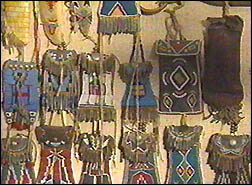
The fruit of Saw Palmetto has been eaten by humans for thousands of years. The aborigines of the Florida peninsula have inhabited the area for 12,000 years. Their diet consisted of seeds, fruits, sweet potatoes, meat, shellfish and frog legs. Although the taste of Saw Palmetto fruit is reported to be repugnant, a book by Susan Hales (1898) describes the Saw Palmetto fruit as a staple food item for the Seminole indians. Folklore has it that the Indians dried the fruit and kept it for a year round food source.
The Indian medicine man also kept a medicine bag of Saw Palmetto around to treat atrophy of the testes, impotence, inflammation of the prostate, low libido in men, and as a general tonic to nourish the body. Other historical uses have included the treatment of infertility in women, treatment of underdeveloped breasts, increased lactation, painful menstruation cycles, anti-inflammatory, appetite stimulant, and as a tonic and expectorant for mucous membranes, particularly the bronchial passages. Hale (1898) describes the medicinal value Saw Palmetto as a tincture of the fruits and crushed seeds.
In 1907, Lilly and Company set up a Saw Palmetto drying facility in Vero Beach, Florida. It consisted of wire racks set up on the beach where berries were placed to air dry. Early settlers took the berries to this drying station by horse and carriage and were paid cash for their berries, much as pickers are paid today. Saw Palmetto was so much respected at the time, that early settlers fed it to their horses and mules that had urinary problems.
In 1908 Saw Palmetto was included in the United States Pharmacopoeia where it remained until 1946. Natural medicine was losing popularity in the US at the time, beacuse:
- Drug manufacturers could not get patents on natural remedies and thus could not be protected from competitors copying its formulas and research.
- Technology and research at the time could not identify active constituents, and it was not until standardized extract techniques evolved in the 1950s did Saw Palmetto regain its popularity. In 1998, Saw Palmetto was once again included in the USP-NF.
Meanwhile in the 1950s, natural medicine was gaining popularity in much of Europe and Saw Palmetto once again began to regain its popularity. Pharmaceutical companies such as Pierre Fabre, Scwabe, Tad, and Evers were amongst the first to reintroduce Saw Palmetto in its standardized extact form. Today, there are 28 pharmaceutical companies in Germany alone that market Saw Palmetto products in the treatment of BPH.
To date, Saw Palmetto has over 30 scientific clinical studies to back its reputation as one of the leading treatments in BPH; prescription or otherwise. Copies of those clinical studies can be found on the Saw Palmetto Harvesting Company website.
Adding ever more popularity to Saw Palmetto today is new evidence that androgenetic alopecia is caused by the same mechanism of action that causes enlarged prostrate glands, and thus Saw Palmetto is rapidly becoming the herb of choice in the treatment of androgenetic alopecia.